Trigger warning: this post discusses pregnancy, health issues, and sexual assault. Any stories related here are not meant to villainize the individuals with whom I’m grateful to have worked.
Mom In Tech
I try to avoid talking about gender in tech on the internet (where nuance goes to die), even though give me a margarita and a microphone and I have a whole dark comedy routine on the topic. However, having just finished listening to the audiobook of Careless People as a fellow Mom In Tech - MIT license forever - I am also on the diversity track. Luckily this entire thing will also be an embedded technical rant because I’m done proving the obvious to fellow geeks OR international lawyers.
How many times do you think I’ve been on a team with another Mom In Tech colleague as a software engineer? Once. Just last year, and only for a small portion of my time at that company. Thrice, if you count product or engineering managers, which I do. The struggles of finding camaraderie around late night nursing when you get paged by an outage or trying to present in a retro while a fetus tap dances on your internal organs in a company that’s already decided you aren’t promotion material are great. Many of the folks I’ve reported to are cishet men who try to relate; “I know what it’s like!”. They don’t, though. And if their wives were there, I’m pretty sure they would have slapped them, same as we do when men claim “we’re pregnant!” Unless they are, trans men are men too!
In these “United” states of America, fatherhood comes with a bonus. Motherhood comes with a penalty. I’m always grateful for the men I’ve worked with who talk about the challenges of being a Dad as well as those who tell a good Dad Joke (interdisciplinary and pun-ish), but I know that his presence is not my permission slip. Some people can walk and chew gum at the same time. I tend to walk into things, but I can build a human or make some milk AND design software architecture simultaneously because I understand parallel processing.
Kristi Coulter writing Exit Interview about her time at Amazon captured a snapshot of my experience:
I’m one of just three women in a room of twenty people. It took me a couple of months to notice something lumpy about Amazon’s demographics. When I’m in a room with people beneath me in level, like the merchandisers, a solid third of them are women. But when I’m with my peers or senior leaders, men usually outnumber women at least three to one. And if it’s a meeting of developers and other tech employees, it’s a brofest at all levels. Both my ceiling and my floor are made of glass.
Luckily, I’m not made of candy glass.
Hot Dishin’ On The China Assignment
When Sarah Wynn-Williams discusses a meeting about travel to China where arrest was on the line, I fully understand how the pressure of a workplace environment can condition in you a sense of impotence and idempotence. Refusal is cheap for insiders, and expensive if you’ve had to fight your way into an industry with a knife between your teeth. Even harder if you are in a place where you don’t match the demo graphics.
Eight and a half months pregnant with my first child, I attended a local unconference. I know you aren’t supposed to comment on a woman’s pregnant body unless the baby is actually crowning, but at every talk I went to that day - after I waddled across the Best Buy headquarters - I sat on the floor. Not one person in those crowded rooms offered a seat; people were careful not to make eye contact. The cost of everyone being aware that they shouldn’t presume or typecast meant I was left with less community and no accommodation.
That’s annoying, but what was worse during this pregnancy is I’d received my own China Assignment: I’d been moved to an acquired app with no real product plan, right after I’d launched one of the most profitable features for the parent company where I worked. I had agreed to join this team, because I didn’t realize I was being sent to the equivalent of Siberia within the company roadmap. This was my first experience with private equity and being flipped to another product that was actively working on outsourcing the engineering department. It would not be my last.
After the ownership changes, my team was left without official management. I tried to raise my concerns with my former manager about the project architecture. He asked, “what do you want, a stroller?” with annoyance. So I started putting out applications. Many of the men I worked and studied with had pursued opportunities before their wives gave birth. I wasn’t going to stay at a startup that didn’t value me, and how hard could it be? Boys do it.
Turns out, it’s pretty difficult. This was before many software engineering roles went remote, and I was balancing prenatal appointments that were already pushing my time off after a very rough early pregnancy. Before requesting an afternoon off for an interview, I disclosed I was pregnant when my resume got responses. Every company eliminated my candidacy and told me to reach back out in a year. I know, you’re not supposed to disclose, but they aren’t supposed to discriminate.
Hollywood films keep failing The Bechdel Test. Software companies keep failing The Dave Rule. We consider enterprise a success if we have as many women in leadership as CEOs named John. Don’t worry though, they made sure to give me access to another Dave’s “Ramsey Solutions” even if I didn’t have equity, so I could learn 7 Baby Steps from a man who told me kids don’t cost anything.
After I gave birth? The system administrator blocked me from accessing code while on leave. I came back at the same title (ha, we all had the same title if very different compensation) but another team, and they took away cubicles to save space. Our leadership could work from home, but I was in office 5 days a week often going out to my car to pump because production issues kept causing me to lose my only scheduled access to the one lactation space. The company didn’t have any paid maternity leave policy when I got pregnant, like most small businesses across America, but HR got me covered by short term disability and sent me flowers.
Sheryl Sandberg sounds like a nightmare in the book, but at this point I was holding on mostly because she told me to Lean In and not to leave before you decide to leave. That was advice I needed as a young woman who loved building software. I already knew she was glossing over a whole range of barriers; I had personal experience with double standards and broken systems.
A couple of months after welcoming my first child (what a euphemism that is) I jumped ship and joined an IoT company that offered me the senior title I couldn’t get despite every man I worked with having acquired either that descriptor or lead. When I asked the dudes how they all got promoted they told me it was, “so they wouldn’t argue about it.”
I had let my employer know I’d need a lactation space and they offered me the storage room they had converted to a shower for the dudes I worked with who biked to work. It technically met the American law; it had a lock and an outlet. It also still had open asbestos insulation around the heating duct and no chair or table. Plus the twenty-something bikers kept using it for its intended purpose and since software engineers start their workday whenever they damn well please (complimentary - someone has to fix corporate culture) I couldn’t get access on any kind of schedule.
But I’m a self-starter! I found the only non-upholstered chair in the office, lugged it in, and congratulated myself. Only to find it draped with my coworkers’ used damp towels the next time I went to pump. That’s okay, I know how to troubleshoot. I went to my hiring manager and asked him if I could expense a towel rack if I picked one up at IKEA after work, knowing you’re supposed to bring solutions.
Rather than let me decorate their bathroom/asbestos closet/shower room, he left his office for the first time ever and walked through the office yelling at everyone who happened to be present to “leave Kelly’s chair alone in the shower!” This solved none of my problems, and mostly baffled my colleagues. He was a dad with an infant at home, was he too squeamish to say “hey this is now also a lactation space please don’t be dicks?” If it was so important for the bike commuters to have their own shower in this office we kept rebuilding (the CTO spent a lot of time debating the best hardware device display wall) it seems like someone could have found me a room of my own.
The part of Careless People where Sarah talks about desperately trying to communicate that she needs to pump after a long flight? I spent a week reciting TSA rules exempting breast milk at airports and going door to door in Lithuania begging restaurant staff for some ice, in between pumping in bathrooms because Europe largely doesn’t have facilities. My fellow software engineers took me out for beers, joked about how they lie about deadlines (we had acquired their company and they were worried about their own jobs). I asked them if it was normal for there to be no women engineers in Eastern Europe and they told me yes, because women don’t make good software engineers. I was supposed to help my coworker pitch a serverless refactor, but no one in charge had bothered to align incentives at the C-Suite level.
This was at least refreshing candor when compared to my own company, where I knew they only hired me because the gender distribution “looked bad” and leadership was worried it would raise criticism during due diligence as they sought an acquisition to make good on the men’s options. This is what my industry learned from this class action lawsuit at Uber. Then we went back to playing board games in their hardware lab lined with pinup posters of buxom women-who-weren’t-engineers.
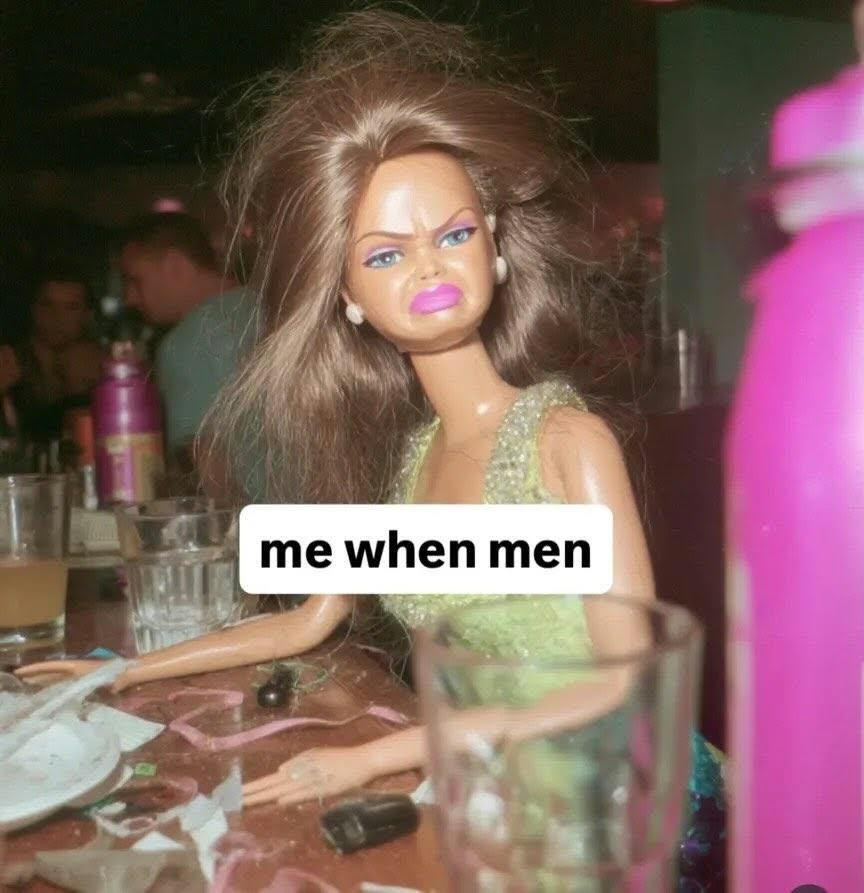
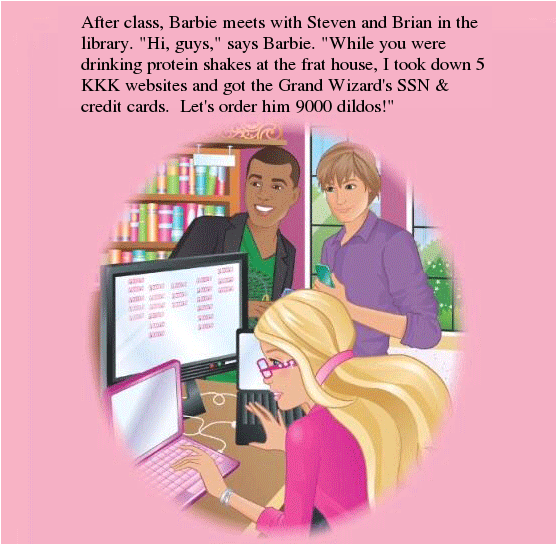
I quit that startup where I had no short term disability or family leave and was one of the only employees without equity after they cut pay during the pandemic, said they would reinstate it once China was shipping hardware again, and then didn’t.
Like Sarah Wynn-Williams, my second pregnancy was much more difficult. The first time around, I was constantly nauseated and threw up whenever I ate, but I could manage to keep some food down. This time, I was starving: literally. I lost 30 pounds in the first trimester. I generally would describe my pregnancies like having the worst stomach virus of your life, only for 4 or 5 months without relent. Of course, during this period politics and politeness dictate that women not share what they are going through.
The first time around, I’d learned to keep a change of clothes in my car for when I vomited so hard in the bathrooms that I pissed myself, so I could clean up, change pants, and get back to work without anyone noticing. During my second pregnancy the pandemic meant my company was still remote, and I could at least be sick in privacy surrounded by hospital barf bags we’d ordered on Amazon with full access to my wardrobe. I also decided to hell with etiquette and told my very panicked-looking manager almost immediately, along with an explicit statement of my continued ambition and enthusiasm for the work in hopes that the company wouldn’t write me off. Not only does FMLA not cover multiple months of severe illness, but as I explained to family I was going to feel like crap whether I was working or not. Without work, I’d just be bored and lonely as well.
I recently read an account of Chojecki’s hunger strike during the Polish Cold War resistance and my husband came home to find me sobbing. I know that pregnancy isn’t the same as fighting for freedom of speech under the Soviet Union, but his account of what he felt like after 30 days without food is the closest description of what my early pregnancies feel like. The lightheadedness, shivering, struggling to hold onto a thought. Meanwhile everyone told me I was “glowing” and doctors told me it didn’t matter if I couldn’t eat because I’d started pregnancy overweight and they prefer not to prescribe medicine due to liability concerns and a lack of strong safety evidence (underpinned by refusing to include pregnant women in research, even though evaluating pregnancy safety is exactly why the thalidomide crisis wasn’t able to impact so many children in the United States).
While I didn’t worry much about Zika, I did contract COVID-19 in the final weeks of my second pregnancy. OBGYN clinics banned me from prenatal appointments, but traveling nurses let me ask for antibodies in the parking lot as long as I took responsibility for the risks. In high school, I’d attend parties where everyone was high and drunk but no one ever offered me anything because they thought I was a goody-good, so at least this gave me some much desired experience with illicit drug deals. I worried I’d go into labor before I recovered and be forced to drive around until I found a hospital willing to take me while forbidding my husband from attending. Some of my local mom friends experienced exactly this giving birth around the same time.
Here’s the thing: if I played it safe and waited during my 30s for a period when I’m not pregnant, nursing, and have worked at a company for at least 1 year in a field with notoriously high turnover to build something, I would never make it. And in a country that offers very little meaningful support for parents, a workplace’s monolithic response to biology does harm: I’m constrained by inadequate systems and leadership too scared to listen to my work requests.
Task Failed Successfully
As I read Careless People, I went from feeling a deep kinship with Sarah, my MIT comrade and foreign correspondent in milk ducts, to concluding Zuck was my favorite character in the book and Tom a close second. I ended wanting to yell at Sarah in a Parking Lot (the discussion after the stand up, which is how one speaks in a civilized tech mob).
I share all this not because my story is unique; just the opposite — I’m wildly fortunate. My first career was K12 education, where I received 2 days of PTO because we could take school holidays. Education, like most poorly paid “pink-collar” work, is overwhelmingly women. Moms work hard to schedule their conception - famously something we have great control over - in order to give birth while on unpaid summer break. Admin would sometimes generously permit us to donate one of our own rare sick days to colleagues who got unlucky with biology or in any of the myriad other ways humans do.
When I took paid prenatal classes through a local non-profit, the educators were almost all nurses, and they told the same stories from another field of feminanomanons. “Baby friendly” hospitals devoted to encouraging nursing in new moms provide insufficient space or breaks for their own staff to pump on a schedule. The National Institutes of Health didn’t even require women be studied until 1993. Linux has been around longer.
I’m not normally one to quote evolutionary psychologists because I think looking to evolution to explain modern social constructs is already an infamous science. However, I’ve never read a book that better captures the precarity of parenthood in these modern United States than Abigail Tucker in Mom Genes:
And yet we can do so much better. For all the innumerable marvels women in the wealthiest countries enjoy, such as disposable diapers and the hope that we will watch our babies grow old, we Western, educated, industrialized, rich, and democratic mothers – WEIRD moms, as the anthropologists call us – are still frequently unhappier than our peers in far poorer places.
When Lean In came out, feminists excoriated Sheryl Sandberg for being out of touch with the reality of most working mothers. My reading of Careless People is that Sarah Wynn-Williams commits the same errors in her critique. We have a lot in common, but while I worked in startups and small businesses with no paid leave, Sarah was at one of the world’s richest companies where she received 4 months fully paid well before that was common, alongside men with equal rights to take time off. She was on a private jet with the world’s youngest billionaire, mocking him about his preference for fast food while also criticizing Sheryl for not wanting her kids to eat McDonalds. MickeyD’s chicken nuggets is one of my children’s only safe meals, even though I don’t even like their French Fries.
Dress for the Meeting or the Party
Many of the things that most offend Sarah strike me as a result of her lack of familiarity with tech culture. Technologists and lawyers might share a systems orientation, but our approach to authority and power are generally culturally opposed. Technologists wear sarcastic t-shirts and lawyers wear suits; and that’s not just a sartorial preference. As Eduardo describes in The Social Network in a Sorkin line: “I didn’t know whether I should dress for the meeting or the party, so I dressed for both.” I rewatched the film after listening to Careless People, and apparently Zuck commented after its release, “well, they got the wardrobe right.”
Sarah starts the book by joking about essentially stalking the Facebook staff to land a job that doesn’t exist yet. This we are led to read as plucky. Yet when her new colleagues don’t follow the diplomatic protocols to meet politicians that weren’t on their radar, that is Facebook being immature. You can’t have both: institutional tradition above all else, and new ways of organizing.
The story of Joel taking a meeting from bed is supposed to scandalize, and I can see how an international lawyer would read it as a come on. However, as a veteran of software companies, this scene landed very differently for me. I read it as Joel trying to make a pregnant Mom feel comfortable taking accommodations; working out of your bed is a technology tradition. My first tech job interview I dressed like I had in college when I was applying to work with international attorneys at The Advocates for Human Rights, and the company owner showed up in spandex bike shorts. She was a pillar of our local tech community who had pushed for community wi-fi. When we would meet with local non-profits she would make fun of how our clients dressed. I wore a lot of discount Brooks Brothers because I hadn’t wanted, nor had the funds, to replace my wardrobe when I left teaching to be a 1099 contractor as a software associate for those non-profits and educational institutions.
At the last startup where I worked - which had the best and kindest engineering culture I’ve ever had the fortune to experience - our head of security led onboarding from his bed. At an all hands, we asked who was still in pajamas at 4pm CST, and the woman who ran IT stood up and gave a fashion show. At another job, I once accidentally shared video while wearing a towel on my head (I was fully dressed, I just don’t like wet hair touching my neck and had gone for a run over lunch and rinsed off). I was taught that wet hair is unprofessional because it makes people picture you in the shower. Yet, I’ve never heard anyone criticize a man for being overtly sexual when he rinses off after running or biking to work.
If Sarah had bothered from that first day walking into the Facebook office to learn about the history and the culture of the people she had fought so hard to join, she might have picked up on the social cue. Or maybe not, we also are notorious for missing social cues in tech, and I’m included in that network. Hell, if she’d watched The Social Network she might have caught the scene where Zuck wears his pajamas and bathrobe to a venture capital meeting, which the internet tells me did actually happen. I’m pretty sure the man by all accounts (including the author of Careless People herself) happily partnered with Priscilla Chan wasn’t trying to seduce anyone. It was a prank on authority figures from the same guy that hacked the Harvard boys clubs.
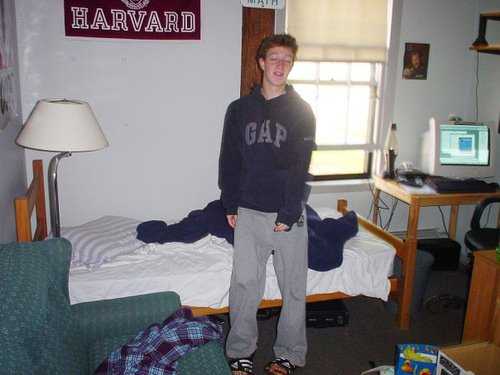
It’s easy to reduce a culture to black and white when you aren’t from that world. My parents open-enrolled me into one of the wealthiest public school districts in Minnesota. I hated it, but I did grow up with the children of executives in the city that has the most financial advisors per capita in the nation. This is at a timepoint where DECA was mostly a competition to see how well you could statement dress like an exec. Seriously, you could get business class credit for that. But let me tell you, a Republican dude calling a haggard mom “sultry” at a formal event is trying to lend you power. I’m not excusing it, and maybe he was being a jerk - but I only have one side of the story and it didn’t convince me beyond the shadow of a doubt.
Appearance has a lot of currency in wealthy circles. What does Trump call any reporter he disagrees with? I wish I could say this is just a Republican thing, but I grew up hearing similar sentiments from relatives and teachers. This is what people mean when they say Trump is just honest. This is also why I cannot judge Sheryl for having a meltdown about her makeup even if she shouldn’t have taken it out on the artists. Only someone entirely oblivious to political transactions could miss that women frequently see their effectiveness limited by their appearance, and that people often hire people with whom they personally identify. (Really concerned that someone who was in the United Nations needed help from another diplomat recognizing that reality.)
I have my own collection of petty grievances I nurture. The local recruiter who at one of my first tech events told a woman who asked how to break into the industry that she shouldn’t bother, because she’d never catch up with the guys whose dads taught them programming in elementary. The family members and friends who discouraged me going to grad school for software since I should “stick to my strengths” (representing the men who can code). The startup I quit 2 weeks in because the former CTO had half-built a shadow system that I was supposed to launch while the entire site kept falling over and another Chief demeaned me for not immediately knowing how it worked. I’m an MIT Bitch, bitch!
I’m just also capable of viewing myself as the villain in all of those interactions, and I try not to let a grudge stop me from seeing the good in people. One thing I repeat to my kids all the time is that almost no person is all good or all bad.
Everything Rolls Downhill
Early in the book, Wynn-Williams dismisses how Zuck is always intervening to defend the engineers. Well, I’m on record as mostly uninterested in Big Tech, but when I read that I was like “okay, maybe I should have tried to apply to Facebook…”
A few years ago when I was trying to figure out my next career goals, a mentor I worked for advised me to talk to folks at all different companies and try to understand what their day is like and what problems they focus on. He encouraged me to reach out to friends working for the major companies. I humored this advice, talking to folks working for Amazon, Google, Adobe, Shopify, and Microsoft. I didn’t even consider talking to someone at Facebook because I still miss the social media of my youth. Bring back AOL news forums!
What Sarah doesn’t know is that the defensive response to protect engineering that she witnessed has the same source as many of her complaints. Engineers are on-call too: if servers go down, we get paged.

Depending on the work you do, maybe it’s just money that’s on the line; maybe it’s someone’s ability to contact a family member or a kid’s ability to eat lunch. At many places where I’ve worked, bad decisions all roll downhill to the engineers. Salespeople present vaporware, product pitches a different vision, managers move tickets around. At the end of the day one giant fix-it assignment crushes whatever engineer didn’t have enough pull to dodge it.
If anyone in tech should be natural partners, it’s the holy trinity of Most Often Outsourced Colleagues (MOOCs): support, Human Resources, and ENGINEERING (capitals == screaming). I don’t know what the fuck a Director of International Strategy is, and neither did Sarah Wynn-Williams, but pretty sure the folks who call themselves “thought leaders” are the only ones who consistently escape reduction in force movements and company outsourcing accountability.
At one company where I worked, software engineers stopped being on-call to the systems after we were acquired by a company that provided digital donation software to churches. They brought in a team of junior men to be “dev ops engineers” in charge of site reliability. Only while Google used Site Reliability Engineer to mean someone highly paid and with a great deal of authority because they were responsible for responding to production and maintaining performance, this was seen as a way to look busy addressing deployment issues without having to pay for expertise. No one on the team was a programmer and they didn’t ask those of us now expected to throw code over The Wall to train them. I get working on time off because you feel accountable to the real world impact of software on users.
And I understood why our Chief People Officer didn’t want me setting a precedent by working while on maternity leave. But my manager would go rogue solo-rewriting services struggling under high load on vacation, and he got promoted twice while I watched the boat pull away without me at our only post-pandemic party. I had gotten stuck on a bus for hours with no access to pumping facilities or a cooler, so I had stopped at home to drop my milk off before driving out to the bay where the boat charter was docked. It was also my husbands birthday, so I tried not to feel disappointed (although I am known for forgetting other peoples’ birthdays).
Transnational corporations are all navigating uncharted territory wielding power that often surpasses nation states but without any of the same public support. Genocide is an abomination and communications do matter when it comes to international tragedy, but the lone contractor Facebook outsourced responsibility for Burmese to did not inherit an around-the-clock duty. He didn’t enlist. It’s amazing to read a highly placed director rant about being contacted while she is out of office, while also belittling a foreign contractor (who probably made way less than she did, and almost definitely didn’t have stock options) not responding quickly during dinner.
This is the same argument I found a Facebook colleague making on LinkedIn: Sarah Wynn-Williams’ testimony is deliberately ignores the context and support she had around her. She fought her way into a community based on amazement at the possibility inherent in the innovation, and immediately tried to make the structure comply with her understanding of a completely different type of compact.
Governments have the authority to tax. In a country that forbid debtors prisons, I had to borrow tens of thousands of dollars from my federal government to attend college despite merit scholarships and working increasing hours every year. Then the government can garnish my wages and I can’t declare bankruptcy like anyone else taking a risk. Private companies can’t tax people. They can lobby, and that’s also problematic, but they often carry legal responsibilities with no working mechanism to raise the resources necessary to fulfill those duties. Neoliberals ensured that software services companies receive way less support and regulation in the United States than we historically used to ensure fair access to mail, national road systems, and telephone service. Politicians, who Sarah Wynn-Williams documents engaging in the same kind of “what’s in it for me?” behaviors, turn around and ask tech companies why they haven’t magically prevented systemic abuse of the software they built an ad system to finance following retail’s example.
Facebook Didn’t Invent Insecurity
I felt shock listening to Wynn-Williams learn that marketing often targets young people’s insecurities and private companies have a profit motive. I’m not sure what remote rock she grew up on (lol no she makes it very clear she is from New Zealand), but Facebook ads didn’t invent the concept of targeting. Target creeped out Americans by sending pregnant teens congratulations based on their spending habits before Cambridge Analytica (they also have had several data breaches). Sarah Haskins already had the bit, but I’ve never used it or my distaste for some memoirs to argue that we should return to banning books:
My husband and I met through OkCupid where we rated 99% compatible. But before online dating sites became de riguer, my high school sold us personality quizzes that Scantron used to give us similar rankings they sold back to individual students for $5/set. OkCupid was free. They also were very openly analyzing the data we freely entered (honestly their data science blog was part of the appeal). As Christian Rudder explained in Dataclysm: Who We Are:
Tonight, some thirty thousand couples will have their first date because of OkCupid. Roughly three thousand of them will end up together long-term. Two hundred of those will get married, and many of them, of course, will have kids. There are children alive and pouting today, grouchy little humans refusing to put their shoes on right now, who would never have existed but for the whims of our HTML.
My two grouchy little humans are in that count and their shoes are all over my entryway. My husband and I both knew that like Facebook they were crunching our numbers when we signed up. Being reduced to a number is not a concept tech invented, even though they like to claim credit.
I grew up in the United States during the period when shopping mall stores had hotness requirements for teenage girl employees. Years later Abercrombie brought on Fran Horowitz, a woman CEO who finally brought back tailored and inclusive denim, causing the company to grow faster than Nvidia for awhile by solving the Waist Gap.
Health teachers made us publicly report our weight. Bush’s abstinence only policies meant I got health textbooks that said “don’t listen to music with a boy or you’re asking for him to do something inappropriate” and classroom lessons that sounded a lot like a Mean Girls skit only without any access to condoms. Think I’m kidding? From the Texas Freedom Network Education Fund (Texas being the state sets most educational textbook standards):
Critics on and off the board in 1994 objected to proposed high school health textbooks that included information on contraception and sexual orientation. Some also claimed simple line drawings of self-exams for breast and testicular cancer and educational illustrations of genitalia were too graphic for students. Even the inclusion of a textbook photograph of a mother leaving for work carrying a briefcase brought objections. Critics called on the publisher to replace it with a photo of a woman in a traditional homemaking role. Faced with demands for so many changes, one publisher withdrew its textbook from consideration.
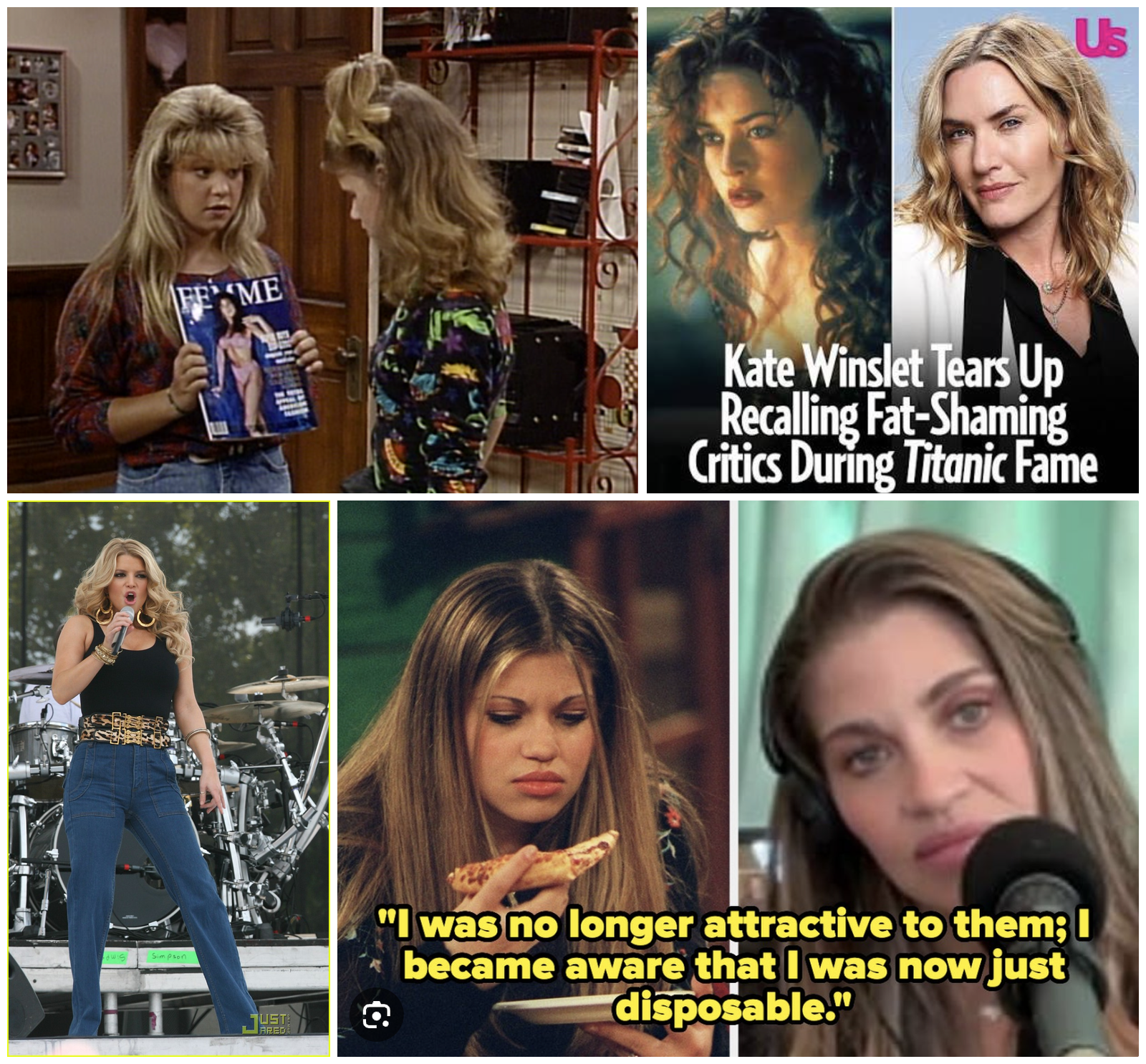
Even the internet wasn’t a refuge; we didn’t have Facebook yet, but someone started a blog gossiping about me and other girls and there was no platform to appeal to in order to have it taken down. As a girl who remembers youth both before and after Facebook, my insecurities were fully covered by the commentators calling these gorgeous ladies fat:
Relationship Status: It’s Complicated
I spent yesterday heartbroken to read about the young woman who was silenced by Cornell after a fraternity sexual assault. Over my young life, I was sexually harassed and assaulted myself: school never felt like a safe place for me. I reported to bosses who told me I was misreading only to see colleagues later assaulted by the men I called out, and to police who told me that intoxication renders rape unprosecutable. So it’s personal to me, and I understand how hearing Joel showed up to support Brett Kavanaugh felt triggering to Sarah Wynn-Williams.
A manager defending Richard Stallman in a comment thread once lost me an entire day of productivity, even though I might be the only person with nastier things to say about Digital Rights Management. It hurt most because this was a conversation between people I professionally respected; but I didn’t feel like I could comment in the discussion section where tech dudes were debating MIT (the school) women’s claimed experiences theoretically. My skip level, who on my first day had announced that you “can’t discuss politics at work” during a DEI book club defended my manager’s right to his stance (kinda sounds like a political opinion to me). I couldn’t exactly say: hey, what’s happening is I’m having a panic attack, so I hope that’s a cool thing to share in standup shortly.
There is very little in casual, accessible culture that depicts rapists or rape victims as multi-faceted, complex human beings — and they all are. They are not depicted as people who survive, who go on to read trashy novels and get angry in traffic and learn a new hobby and think about volunteering sometimes but never actually do and get their degree in marketing but actually go into accounting because the job market these days[…]
Before I joined software, I taught high school health to international students. Nervous at the prospect of a job I was wildly unqualified for, I looked for a better way to teach consent to teenagers. I found Jewish feminists and Unitarian Universalist theory, and stood in front of the classroom carrying the massive weight of trying to figure out how to explain something far more complex than rocket science to kids with 30 different cultural backgrounds on sex and gender, with those same textbooks that hurt so many of my generation.
One of my students, visibly distraught, protested when I introduced the concept of “yes means yes” and paying attention to your partner’s body as well as their words: he was angry at the idea his future might be destroyed by a false accusation. I believe education can only be liberating and that starts with caring about the young people you are entrusted to teach. So I, as someone who had a history of sexual assault, had to meet him eye to eye and validate his fears while asking him to also take the risk of hurting someone else just as seriously.
I can’t condemn Brett the way I loathe Clarence Thomas or Bill Clinton (men who used their position of authority as an adult to take advantage of more junior colleagues), because I know he grew up on the other side of a culture that treated women as objects. Even Joe Biden earns more of my rage for his half-assed apology to Anita Hill when he planned to run for office in 2019 after silencing her colleagues. The creepy men are not limited to a single political party. They aren’t even an anomaly from what most women report.
As Christian Rudder explained in Dataclysm:
But the data we see in this chapter shows racism isn’t a problem of outliers. It is pervasive.
And if I’m exhausted at having to explain to software dudes that underage girls and intoxicated or drugged women can’t consent, I also know that the law in many states still says child marriage is fine with a parent’s permission even if we’ve progressed on understanding statutory rape. A drunk high school boy is also a child. Black teenage boys are often charged as adults, one study found 9/10 Autistic women reported being sexually assaulted, and black girls and women are disproportionately sexualized. The thing is, all kids deserve safety; including privileged Republican intoxicated child Kavanaughs (PRICKs).
Of my children, my son was born first. I was less anxious about raising a boy. I was a tomboy growing up; I was building sailboats in the garage with my neighbors and chasing kids with garter snakes. My Mom worked days while my Dad worked nights, so I spent a lot of my early childhood raised by a man who didn’t discourage me from taking physical risks. The boys in my high school filmed their own version of Jackass, but I was racing a Red Flyer Wagon down the hill with the boys down the block in elementary. In grad school, at a tech friend’s White Elephant party, I fought to keep the gun rack mostly out of defiance toward the boys who said guns weren’t for girls. You better believe my Mom taught me how to take AIM and my Dad taught me to shoot.
When my daughter was born though, I started reading To Raise a Boy: Classrooms, Locker Rooms, Bedrooms, and the Hidden Struggles of American Boyhood by Emma Brown. I felt the same panic about raising a daughter as she described about her son. I had stopped reading at the section discussing Christine Blasey Ford’s testimony and the response to repeated sexual assault reports at all-boy Catholic schools. Too familiar of a story, as the granddaughter of a Catholic ER Nurse who wasn’t allowed to become a doctor and divorced from my abusive grandfather but maintained her faith while trying to help women pursuing illegal abortions not die. I had shelved it as DNF.
Halfway through my work on this book, I met an old friend for coffee. I told him what I have already told you: that when my daughter was born, I new exactly how I wanted to raise her so that she would see that she is not bound by old-fashioned stereotypes about what it means to be a woman. That I didn’t have any of the same instinct about raising my son. That I had taught my girl to proclaim that she was strong and fearless, and that I had no idea what to teach my boy.
Emma says she knew how she wanted to raise a daughter, that “when we say girly we really mean fully human”. As a girl who grew up catching toads, playing offense on the first elementary girls hockey team in my district, and who had to be taught by Cosmo magazine that women aren’t supposed to ask men out, I can guarantee you: that is not true. In my generation girls could be tough, as long as they didn’t emasculate boys, and still looked attractive while winning math contests. The book details the progress made in many Catholic private schools where they have sought to implement programs that create emotional and psychological safety for young men to explore their vulnerability and form close friendships. That makes sense to me. I taught high school boys. It’s a whole baffling social structure.
Many boys I interviewed were aware of this dynamic and articulated it. The homophobic slurs that are so common in their day-to-day lives are not really about accusing someone else of same-sex attraction. They are about proving one’s own masculinity. “No homo” is what you say after you admit that you appreciate your friend, and that you even love him. And bragging about sexual exploits, grabbing girls and harassing girls, is not so much about pursuing someone as it is about making a statement and showing off in front of friends.
The most interesting part of the book as a software engineer was in the last chapter where Emma Brown cites research by psychologist Mihaly Csikszentmihalyi who coined the term “flow” (famously a favorite term with software engineers, as our excuse for why we will not be joining meetings without an agenda). The book interviews creative contributors across fields and finds these individuals share strong qualities that cross stereotypical gender lines. Similarly, Nobel Prize Winners are far more likely to participate in creative endeavors. Innovation and disruption - especially as we navigate AI - requires our actual full range of humanity.
From Bomb Shelter by Mary Philpott writing about girl mom life in the chapter Tough Girl:
The world thinks it has a right to girls. Teachers expect their compliance more than they expect it from boys. Dress codes are designed around what girls should and shouldn’t reveal to their classmates. When girls grow into women, governments legislate what they can and can’t do with their bodies. People look at girls and think, “What have you got for me? What part of you can I use? –or What part of you should I shut down? I dont want to facilitate that grabbiness, so I find myself guarding her privacy in conversation, even more than I guard his, as if I’m standing in front of her saying, You’ll have to go through me first, bucko.
Fuck You, Meta (Love, Zuck’s Biggest Fan)
After reading the book, I did tell my husband that I should probably just bring it to my next therapy appointment to help out my psychiatrist. “I have whatever mental illness with which the author of this book is clearly afflicted; I think I belong to cultures that haven’t welcomed me and feel personally responsible for solving global problems.” The difference is I know I’m a crazy person and a hypocrite. And I’ve watched Hackers and can leetcode.
But okay, did I understand it correctly that Meta tried to financially coerce Sarah Wynn-Williams to prevent her from telling her story? Fuck you, Meta. Literally this damn app was founded by data scraping and rating girls. You want to go to congress and argue “free speech!” for your platform, then try to indict a mom who didn’t like working for you? So that’s why I’m making sure to publish this for free, on my blog. I haven’t worked for any of you Coasters. Mom bloggers ran the internet before Meta: Smitten Kitchen, the Bloggess, and MomTok. Meta might have Facebook, Threads, and Instagram, but I got women with face cards, ironic tees from Threadless, and photographic grammas. Have I spoken with any of them? No, but we know how to get in formation. Platforms are trendy again, but Content is King. Move fast and diss tribute shuns.
At the end of the book, Wynn-Williams smugly criticizes Zuck personally. And I’m sorry, but you couldn’t create a more relatable portrait of a billionaire to this miner’s granddaughter and data miner if you tried. Oh, he challenged Elon to a cage fight? I’d take him in a mixed martial arts match OR a dance off, thanks. That is someone who understands another tech bro mocking him in his own language. That’s Governor Walz making couch jokes at JD Vance.
I watched a bunch of Zuckerberg’s congressional testimony again while writing this piece, looking for something I could go “aha! I have found the evil!”. Instead I saw a man continually take personal responsibility, apologize for where he had failed, and deftly explain the distinctions between the American cultural viewpoints around separation of government and private industry while acknowledging the scope of a problem and his own uncertainty about how we fix it. It was really annoying. I dislike men in tech, CEOs, and social networking.
I’m supposed to hate him for making a statue of his wife? Apparently Sarah Wynn-Williams can prioritize her kids but a husband loving his wife is a dereliction of duty. Check this out, I learned intaglio drypoint printmaking to capture a portrait of my hot hubby, household primary parent, award-winning scientist, and father of my children:
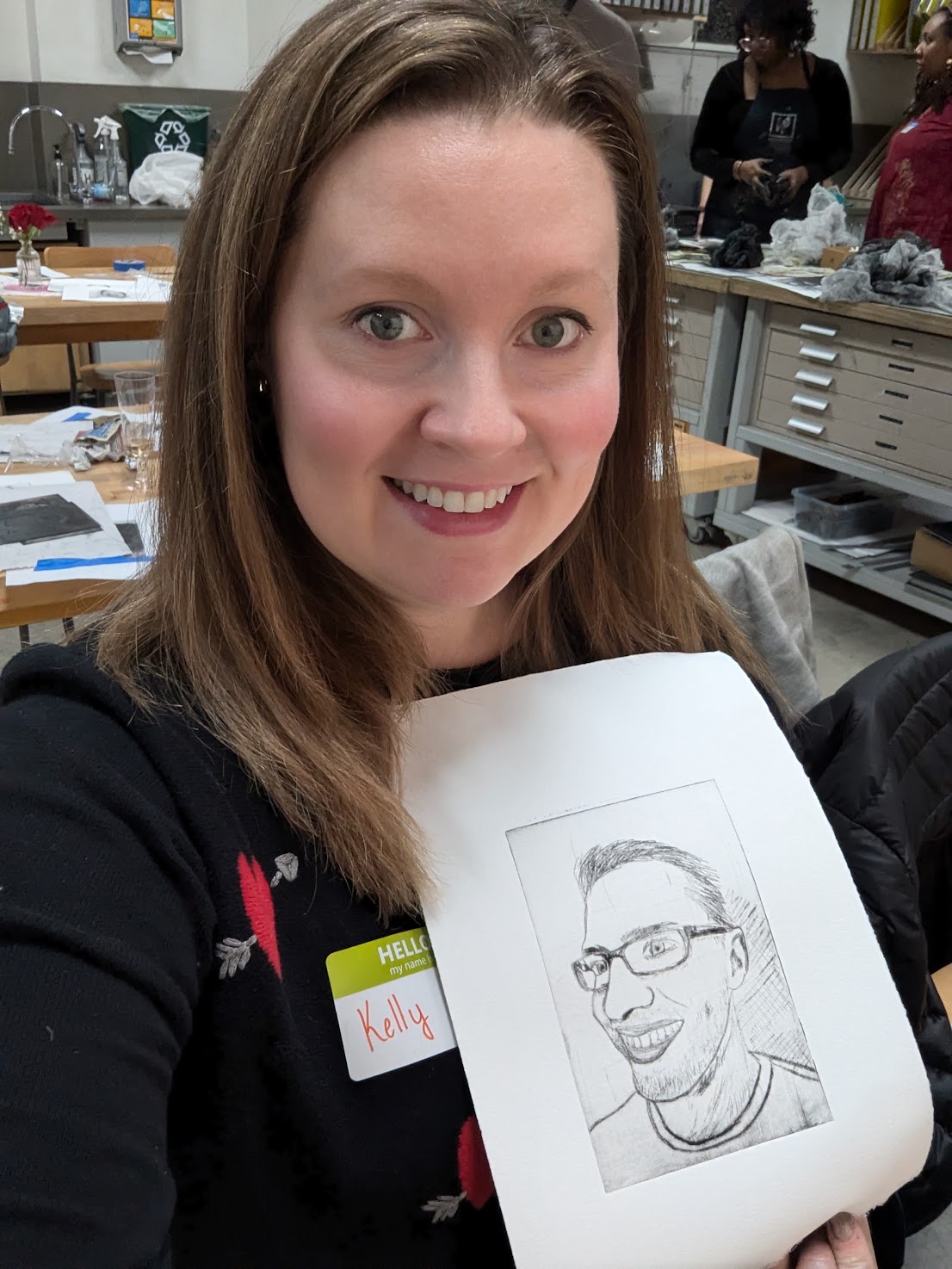
Sarah writes with astonishment about Zuck expressing that he might miss the birth of his first child if he has something important to do at the time, even as he relays that his wife thinks he might regret that choice. If Dr. Chan was in agreement with her husband, who is Wynn-Williams to weigh in on how they approach balance? I remember the vitriol expressed at Marissa Mayer as well for returning to work from home after 2 weeks:
Mayer is a CEO. Her essential job description is: get people to do stuff. And as CEO, she has oodles of practice at management and oodles of money and oodles of options. I recently interviewed YouTube CEO Susan Wojcicki, who’s a mother of five kids, aged from just months to 15 years. It’s her contention that being a CEO mom is way easier than being non-CEO mom.
In a country where our family leave policies are as good as nonexistent, in an industry with the turnover of tech, everyone has to do the best that they can. Judgment of individual choices helps no one become more free. I’ve taken less than my FMLA coverage with both of my kids. I get restless naptrapped all day. I feel happy and physically healthier after giving birth in a way I don’t in the 9 months of pregnancy, and want to return to writing code.
My husband has taken equal or more leave than me with each birth; a choice afforded us because we’ve always made comparable professional salaries. Pay discrepancies in the United States mean that often unpaid leave is not a viable economic option for professional fathers. Yet lower income mothers are the least likely to have any paid leave and often return to work mere weeks after giving birth in jobs far more physical than laying in bed staring at a screen (which…is what I - and most modern women - do anyway during the newborn period).
Where I Found My People
Meanwhile, you know where I found community as a working Mom in a male-dominated field? On Reddit. Which should not surprise given that Alexis Ohanian and Serena Williams are out there repping motherhood better than any politician. In text groups with other local Mamas I met through a paid support group I had friendship. I didn’t get a bring your people to work day as a tech Mother, but I could bring my phone, which connected me to women across the world struggling to figure things out together.
A New Zealand doctor tried to help me find a lactation expert through her Facebook medical communities when my nipples started bleeding while I was running a fever one week in at a new job. I couldn’t afford the out of pocket cost though, so I had to go to an urgent care. There an (old male) doctor told me I was overreacting and my tonsils looked fine. My tonsils were removed in third grade, so I didn’t find his confidence reassuring. When the strep test came back positive, the female medical admin who called with my results offered me a prescription. And after a few days on a Z-pack my milk stopped coming out pink while I cried every time I tried to pump at a job building insecure health care apps that had immediately retracted the unmetered PTO policy I’d been hired under.
Actually, one of the most heartbreaking parts of being in mom communities like that was watching my fellow MIT and WIS (women in STEM) decide that working wasn’t worth it while their husbands in tech and science earned so much more. I understood the choice; it just left me lonelier. Women mostly have one another’s backs on that even when we hold strong personal beliefs about the family life we wish to build. But the enmity between employed and stay-at-home moms is real: both pay a high cost in modern America to make either choice sustainable. That’s why Abigail Tucker exhorts:
And always look out for other women, especially struggling ones. Because only we know what it’s like to be reborn as somebody else.
And my favorite independent economist explains we are being failed by public and economic policy on the grand scale (and it’s not going to be fixed by closed-source AI governance):
View this post on Instagram
When my daycare closed the week before Christmas at the job where junior women went to the lobby to use the bathroom, I turned to Facebook to ask friends and relatives for leads on centers that might have room in the Inn for an infant (those of us without nannies mostly have to get on waitlists a year in advance for childcare in the U.S. because it isn’t subsidized and the teachers are underpaid). In college, when I lost my phone, Facebook helped me collect the numbers.
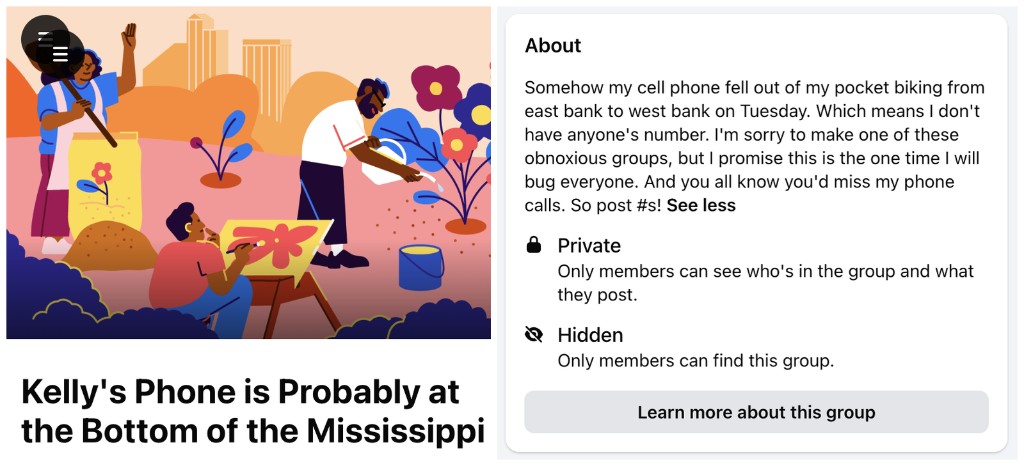
If anyone asked me if Facebook owes me money for abusive marketing, I’d tell them I probably owe Facebook money for being one of the only lifelines I had. When I couldn’t afford Skype minutes in the Middle East, my family got their own Facebook accounts to stay in touch and used chat to help get me out when the building manager started threatening to kill himself if I didn’t agree to date him. And like most of my internet resources, and unlike most schools, they never asked me to pay to play. I would sort of like Facebook to reimburse me for what a pain in the ass their APIs are to program against, though. And I think Zuck owes me for all the crap I get about “looking like marketing” when I show up in a cute dress instead of a hoodie and sweatpants.
Mom Genes ends by encouraging women to believe they can do something to make the world better:
Become a neuroscientist – or a sheep farmer, or a photographer, or, what the heck, a kraamwerzorgster. Write a book. Vote for mothers, or run for office yourself.
Women, especially those with less economic advantage, are raised to believe they have to be strong and defend themselves but also to be careful not to anger men. I quit a tech engineering culture that was one of the more fair employment options I’ve ever had when an ICE officer shot a Mom reassuring him in MN. I watched him call her a “fucking bitch” and laugh. I couldn’t work after that. I couldn’t even sleep.
I’d stood outside a local mosque on my birthday with other self-organizing mamas because I believed I had a responsibility as a WEIRD mom to guard my neighbors. And my son is the same age as Renee Good’s. Mostly though, the footage of moms, nurses, autistic software engineers, and hispanic men being assaulted while they apologized and tried to explain unraveled me. Software was an industry I got into for the love of it. I know that while we talk a lot about sexism in tech and often feel it more acutely due to the lack of community, other industries aren’t a safe haven either.
My ambitions don’t include California or DC real estate. I mostly want to build a future where my kids are more free to pursue their dreams and express their truth.
Trying to write tech accelerator applications asking questions like 'what problem are you trying to solve?' Without just writing 'I want to tell my kids that they can be a woman software engineer, CEO, or president if they want without feeling like I'm mostly perpetuating a lie.'
— Kelly Heitz (@kelizzy.com) September 10, 2026