“Only the Paranoid Survive” by Andrew Grove (former CEO of Intel) is a useful framework for understanding today’s AI inflection point — but its perspective biases about power, fear, and who gets to navigate change reveal exactly why the tech industry keeps failing the people it claims to serve. What’s happening in Minnesota right now proves that the opposite of Grove’s thesis is true: it’s not paranoia that carries people through inflection points — it’s mutual aid, collective care, and hope for a better future.
Time Traveling to a Familiar World
I recently read this book because it was recommended by a former CEO. It doesn’t take much to get me to read old business books. In elementary school, the library forbid those in Kindergarten through 3rd grade from checking out R.L. Stine Goosebumps series. So I mounted a protest campaign where I checked out and read the entire business section; picture a chubby midwestern girl earnestly reading “How to Make Friends and Influence People” on the school playground. It was not an effective protest. I never claimed I was good at protest movements, despite my state heritage.
Anyway, this is a book that clearly was not written for me (and I can’t blame Grove for that, because I was busy trying to read choose-your-own-adventure ghost stories at that time). But that same generational viewpoint makes it a very compelling read if you’re the kind of millenial with an analog-to-digital childhood. My mom had a work typewriter when I was little and then started building computers in our family room, swapping out memory cards as a fun side project.
It also, I agree, has a number of salient points for the current AI frontier rapidly changing our industry in both unexpected and unknown ways. For example, this study result gets quoted a lot:
Before starting tasks, developers forecast that allowing AI will reduce completion time by 24%. After completing the study, developers estimate that allowing AI reduced completion time by 20%. Surprisingly, we find that allowing AI actually increases completion time by 19%–AI tooling slowed developers down.
My experience though is that this survey result from Atlassian better gets at the root issue behind static company velocity:
Developers only spend 16% of their time coding, and coding is not a friction point for developers, which is why coding assistants can enhance the experience without improving it. The insufficient investment in resolving actual friction points for developers has come through clearly in our 2025 survey results. Developers are losing valuable time to non-coding tasks: 50% report losing 10+ hours per week, and 90% lose 6+ hours or more, largely due to organizational inefficiencies.
Tech people will do anything - anything! - to avoid having to tackle organizational inefficiencies (because that would mean having to answer a telephone or attend a meeting). I’m including myself in this criticism.
In my experience, many engineers are re-investing saved time into improving quality on the tasks. And thank goodness, because I’ve watched more than one software product collapse under the weight of it’s own technical debt. Basically, the AI Productivity Parodox
(As an aside, I worry a lot about security. But sometimes I hear security folks talking about how AI is insecure and I have to wonder if those folks have ever worked on commercial software. It’s mostly crap. Which is not to say that security isn’t important, just that trying to advocate for it is positioned as prioritizing the wrong thing in most business books and neglecting it is nothing new.)
Astute Observations
I’m annoyed that I was already describing this time as an inflection point prior to reading this book. Andrew Grove defines an inflection point in mathematical terms. I learned the term from programmers though; Sandi Metz via Martin Fowler. Metz used the term “inflection point” to describe the moment when software engineering on a new project ought to switch from a procedural approach as it’s discovering problems to writing object-oriented code to better organize and support growing scale. And like many terms I learned reading technical papers and watching conference talks, I just immediately began applying it to other domains because I’m a descriptivist when it comes to words and I also think we should try to make “fetch” happen, for novelty if no other reason.
Discussing the PC revolution and talkie films, this line from the book rings pretty true to discussions of AI today:
Denial took different forms. In 1984 the then head of Digital Equipment Corporation, the largest mini-computer maker at the time, sounding a lot like Chaplin, described PCs as “cheap, shortlived and not-very-accurate machines.”
Further, this sounds very much like my personal bet for generative AI:
The environment has changed for all of us. The good news is, we all have a much larger market. The bad news is, it is a much tougher market than we were accustomed to servicing.
The problems shift as our tools enable more people to write code. We are used to this; the history of programming languages is also one of changing dynamics in producing working systems. I don’t think it’s coincidental that DEI is under attack at the same time as innovation is enabling folks who would not traditionally identify as a programmer to produce software systems.
The Cassandra Problem
In an early chapter, Grove describes going on a hike with a group of friends and getting lost as a metaphor for beginning to recognize an inflection point.
“Some worrywort in the group will be the first one to ask the leader, “Are you sure you know where we’re going? Aren’t we lost?”
Hi, it’s me, I’m the worrywort, it’s me.
Grove notes that:
In fact, participants who live through one develop a sense of it being an inflection point at different times, just as the group of hikers suspected they were lost at different moments.
There are a number of points in the book where I resonated with the description of the Cassandra in an organization. Which is maybe just because of my anxiety, but I actually do think I’ve had the opportunity working in startups to live through some of these; it’s funny to hear it described by a CEO when you witness it from a position of far less influence.
The way I knew they were happening was that the emotional tone suddenly shifted. Engineers and sales whispered in the cafeteria, earnestly noting a change in the way calls were going or new features being used. Challenges to the status quo are shut down more abruptly. Celebrations cease, but toxic positivity drives project updates. People argue when things are going well, they whisper when they aren’t…
One of the questions for identifying a strategic inflection point provided in the book is “Do people seem to be ’losing it’ around you?” And I can’t think of a more apt description of our present time in tech. This to me, is one of the clear indicators that AI is not mostly hype the way crypto was; folks are defending against it the way you only do when you spot a legitimate threat to the existing order. With crypto, the vast majority of us were like “yeah this is dumb.” A couple of my colleagues argued that the technology was cool and it paid well, but while the industry was trying to sell it mostly engineers weren’t buying. Engineers are using LLMs and finding them valuable, if also experiencing something of an existential crisis about it and getting big mad at the creepy marketing.
Grove also advises you to pay attention to people asking loaded “Does that mean…” questions of leadership, as such questions are often revealing of the strategic dissonance being felt by employees. This reminds me of the insightful tweet:
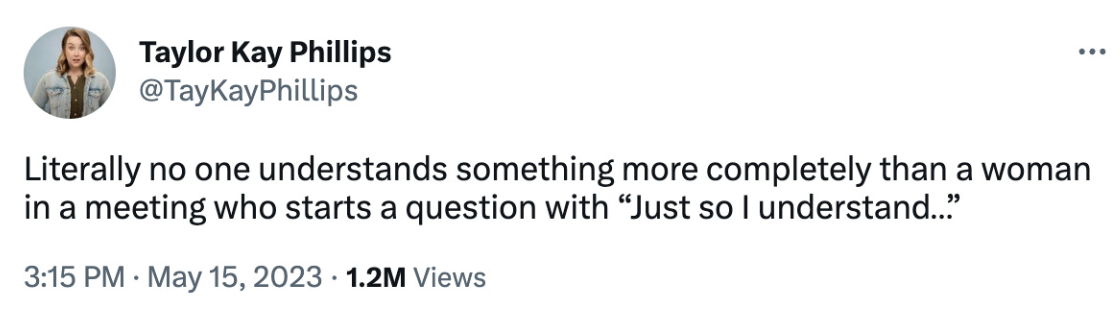
(Both are ways to signal disagreement from a position of lower status; questions tend to be more acceptable from individual contributors than telling a CEO you think they’re wrong outright. I know because I have a tendency to state it plainly when I think someone says something wrong, and I’ve been getting negative feedback for this habit most of my life. Except in philosophy. Philosophers love when you open with a blunt argument.)
Experimentation as a Habit
I’ve worked really hard to keep playing with large language models, despite feeling the same annoyance and apprehension many of my peers express. I’ve found a lot of proponents seem to me to discuss AI in the most shallow and vaguely-condescending positive tones; like a salesperson trying to talk me out of what I’ve told them I’ve already decided to buy. I attribute that engagement to a value I suspect Andrew Grove and I share: appreciation of intellectual curiousity and experimentation.
Well-informed and well-intentioned people will look at the same picture and assign dramatically different interpretations to it. So it is extraordinarily important to bring the intellectual power of all relevant parties to this sharpening process.
This takes a certain amount of shared interest in outside perspectives and an openness that exposure might prove your thinking wrong to effectively occur. I’m innately suspicious of anyone who is too sure about their stances. I think moral certainty is often more about reassuring oneself that you are a good person than about impacting the world in a positive way. I’ve always preferred values-based expressions, because I can value something without being dogmatic about the correct way to act. Some might call that moral flexibility. But I value humanity, and people are complex and unique.
Resolution of strategic dissonance does not come in the form of a figurative light bulb going on. It comes through experimentation. Loosen up the level of control that your organization normally is accustomed to. Let people try different techniques, review different products, exploit different sales channels and go after different customers… The dilemma is that you can’t suddenly start experimenting when you realize you’re in trouble unless you’ve been experimenting all along. It’s too late to do it once things have changed in your core business.
The solution to this dilemma is don’t think you can control an organization. Getting people to loosen up is way harder then getting them to follow workplace norms they learned in school or a past job. You could focus on encouraging differentiation of approach and brainstorming all day long and still struggle to make employees in the AI-apocalypse feel safe enough to think out loud or try something new.
This is the actual greatest risk I see with AI: it is so good at putting together plausible-seeming documents that actual insight becomes more rare.
Incumbency Bias
First, when a strategic inflection point sweeps through the industry, the more successful a participant was in the old industry structure, the more threatened it is by change and the more reluctant it is to adapt to it. Second, whereas the cost to enter a given industry in the face of well-entrenched participants can be very high, when the structure breaks, the cost to enter may become trivially small.
One thing I’ve struggled with is that while I’m not sure how I feel about AI (contradictory? contrary? “fiercely ambivalent”?)
That means passionately holding two seemingly contradictory truths at once: We should use generative AI to empower ourselves and others, and we should demand exacting standards of transparency, fairness, and safety from those building and governing these tools.
Men in tech are always eager to advise me against my best interests. “We’d love to help!” they say, before educating me that just like architects don’t need to know how to lay bricks, a software engineer doesn’t need to know how to code. (This is real advice I was given before enrolling by my grad school administration. My neighborhood has a bunch of architects. They are constantly sawing, hammering, and building. I don’t think the metaphor survives contact with reality.) The problem with thinking your workplace will be a cool argumentative arena of the mind is that only some of our minds are valued by the market.
That same market logic shows up in how people talk about AI, too. I seem to have a lot of colleagues who are very strongly opposed to it. They tell me using AI is theft and morally wrong, all about reducing employment. Except…hasn’t technological innovation always stolen ideas and disrupted jobs? If you were working in tech a decade ago and only now are worried about data centers, is it maybe because your security is suddenly threatened? Like I get it, but there was a lot of coverage about tech harm a decade ago, too.
We need to engage and legislate, and even that might not work. But the alternative of pretending this isn’t happening and conceding the shape of future technology to the broligarchs seems unambiguously bad.
The person who is the star of a previous era is often the last one to adapt to change, the last one to yield to the logic of a strategic inflection point and tends to fall harder than most.
Grove also makes fun of people who talk about “Management by Walking Around” since now people have email. Some of the most command-and-control style dinosaur leadership I’ve experienced loved to talk about how they do management by walking around, 30ish years after this book came out when Grove was already describing it as old-fashioned and ineffective. I recommend you throw this book at the next person who uses that phrase around you unironically. Then email me about it. (Please?)

Substitution as the deadliest competitive force
This is one of the points about a 10X industry change; every now and then, actual disruption comes for an industry. Not a new front-end framework (that happens way more often), but a change to how we build, share, and think about the financial models that underlie the system.
New techniques, new approaches, new technologies can upset the old order, mandate a new set of rules and create an entirely new climate in which to do business.
I’ve been adding a new fiber art every year, while thrifting. It started with reading about the devastating environmental impact of fast fashion. But also, I think fiber arts are coming back because we optimized too far in favor of cost effectiveness, losing sight of the consumer who has to wear the clothes. Thrifting has always been a more difficult way to find clothes that fit and match your style, but technology is genuinely transforming secondhand markets the same way that online shopping changed malls. If you care about fit, there is no better solution than to make your own sweater.
I guess the question is: what are you substituting? I had a conversation about Stitch Fix declining with someone who worked there, where another colleague joked “oh it turns out people would rather just buy their own clothes?”
Every woman I know once subscribed to Stitch Fix; the product wasn’t the clothing, it was having another person to whom you could send a Pinterest board and a note asking for fashion advise for a tech business onsite where you might be the only woman at a table, and get a personalized reply. The company started declining not because of logistics, but because they replaced the stylists with algorithms. When I subscribed during maternity, every working mom in the group got different shades of the exact same items - despite different styles and vocations. That’s when we all unsubscribed. It was faster! It was not better.
Argue with Data (not using data, with the data!)
At the risk of sounding frivolous, you have to know when to hold your data and when to fold ’em. You have to know when to argue with data when your experience and judgment suggest the emergence of a force that may be too small to show up in the analysis but has the potential to grow so big as to change the rules your business operates by.
I agree with this, but I also would take it further because I believe any use of data should involve questioning it. Instead of folding, take your judgement and get some more data. Am I suggesting…data science? Perhaps.
I served on my city’s technology commission for a few years, and our big initiative was getting dashboards setup to support strategic goals. One of my critiques is that often dashboards contain targets rather than holistic metrics; these don’t actually convince anyone or provide insight. The only meaningful use of data I’ve ever seen has been in organizations that give transparent access and encourage debate. They aren’t looking to prove they’re right, they are trying to spot any emergent trends early so they can respond. “Agility”, you might call it. Half the time the interns notice something before the rest of us (both because they have time to play around, and they lack the incumbency bias the rest of us have developed…)
I also find myself continually baffled by software engineers who get mad when companies suggest data-driven approaches. “Well, we just don’t have good data!!!” the engineers glumly protest. Is your specialty not…writing code that collects data? Do you have access to the systems you build? You want to tell me you can’t go dig up some data if you disagree with what leadership is presenting?
Apparently this means I’m often inadvertently suggesting a coup, but if I join a “high ownership organization” and they also give me access to a production database, I’m going to go look for numbers to see if my judgment has merit. Often I’m like “huh, I was wrong, but this related pattern supports part of my hypothesis, lets look at that”.
Basically, data as a tool for learning, rather than a rhetorical device in an argument.
Dangerous Advice
I was curious about Andrew Grove’s background so I looked him up. He fled the Holocaust with his mother by changing their names and hiding with friends. It’s noteworthy to me that his network meant survival in the face of genocide, and he went on to describe careers in such individualistic terms. Maybe not surprising; hyperindependence is a pretty well-documented trauma response.
Grove famously believed that “only the paranoid survive” and championed a management style centered on aggressively adapting to threats. This culture, while driving innovation, also meant a work environment optimized for a specific type of competitive individual.
Many of the arguments Grove makes about thinking of your worklife as a CEO don’t resonate with me. I don’t get to re-route resources; at many jobs, I’ve had to account for my own time in 15-minute increments categorized against approved projects. Is this cap-ex or op-ex? And is that the dumbest question you could ask about software?
While it seems likely that “few companies fail because of bad decisions” individuals absolutely watch their careers tank due to a wrong move or bad luck. Like baby boomers who seem to believe you just need to march up to a local business leader and hand them your resume printed on good stationary to land a job, Grove appears to think that all it takes to succeed in your career is gumption.
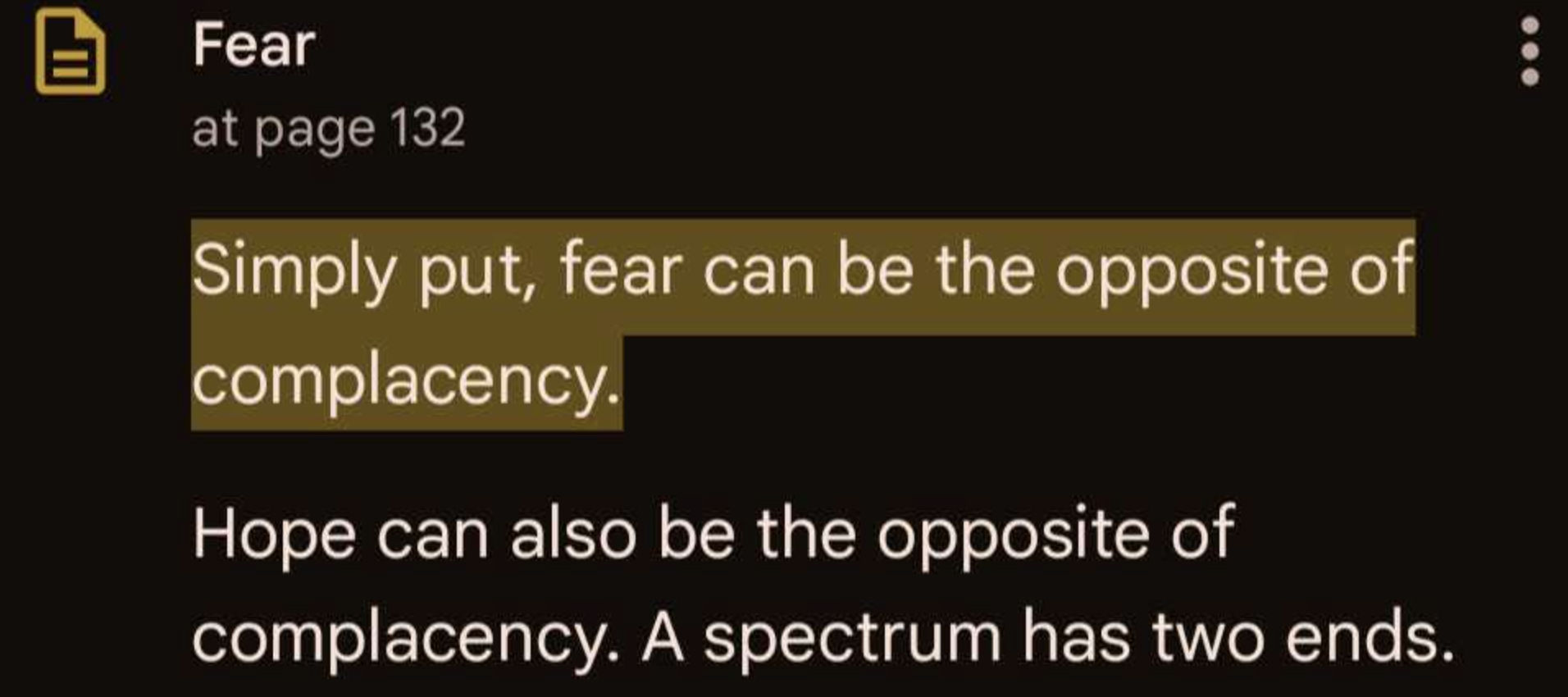
Grove misreads Deming and argues fear drives passion. The most fearful organizations are the stupidest — in-group thinking, self-preservation, and stereotype reliance drive decisions when employees are scared for their jobs. Most of us can’t walk out of our office and come back in with a different approach.
Excluded Viewpoints, Minnesota as Example
Reading this during the ICE resistence in Minnesota though paints a pretty powerful counter-approach. Fear might motivate, but not as well as hope and community. I’ve been genuinely humbled to see people turning out en masse to support neighbors.
One of my neighbors was laid off by the teenagers hired by Elon Musk to “streamline” government at DOGE. She’s an environmental scientist who worked as part of USAID, and a mom of two young kids. Over the past several months she has led bystander intervention trainings in local churches and served as an active responder.
When Jess Lewis ran against an incumbent politician she got so many endorsements that I couldn’t keep up with helping her update the site. At convention, when she spoke more than half the attendees got onstage to stand behind her as she spoke in the name of people-powered movements.
I don’t know what’s happening in our politics. It’s like the world has been turned upside down a bit - both when it comes to policy as well as in terms of technology. What I do know is that I want to be on the side of change and seeing influence distributed in a way that includes more voices. Whether we like LLMs or not, I don’t think they are going away; I also don’t think we know where we are going.
This past week I’ve been watching young people boo graduation speakers who exhort them to adopt AI or be left behind. I love those kids. Keep booing. But also - data shows a lot of those kids are using AI, presumably because they find it genuinely helpful or interesting. I think some of these MBAs are too used to cost-cutting, which shows in the marketing campaigns that talk about replacing people, rather than lowering the bar for entry to more people. Several AI companies have run ad campaigns implying their tools can just replace a credentialed professional outright, accountants included, and I don’t buy it.
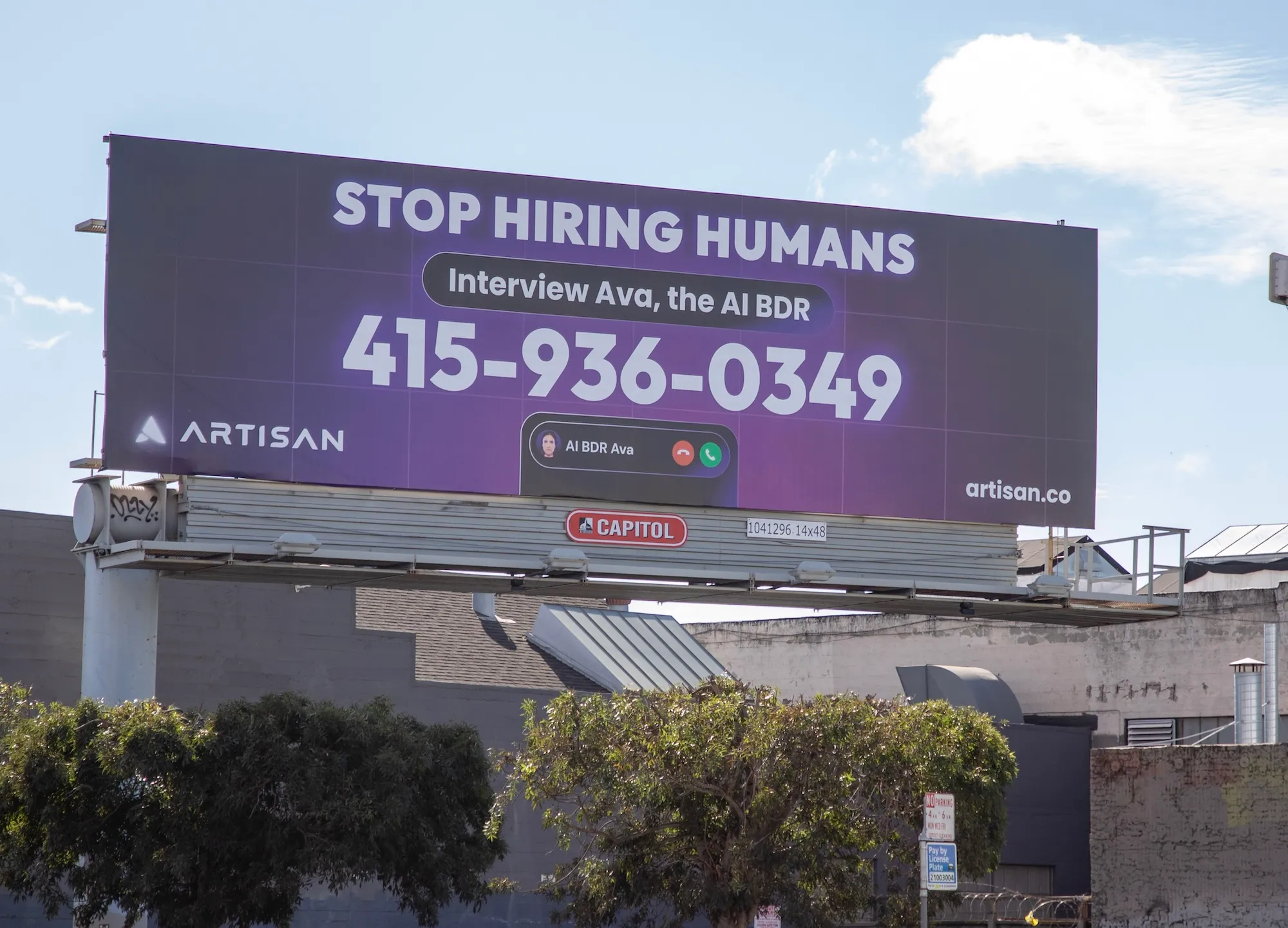
I’m not going to replace an accountant with a tool, but for those too cheap to afford an accountant yet, it might save them several hours reading tax law and trying to learn Quickbooks. We still want to hire and work with people.
Cute Phrases
I just need to share that Grove refers to the internet as the “connection co-op” and I’m pretty sure he’s talking about cloud computing when he expresses doubt about “cheap internet appliances”. I’m also planning to adopt this terminology. Come see me and ask me if I have any cheap internet appliance experience.
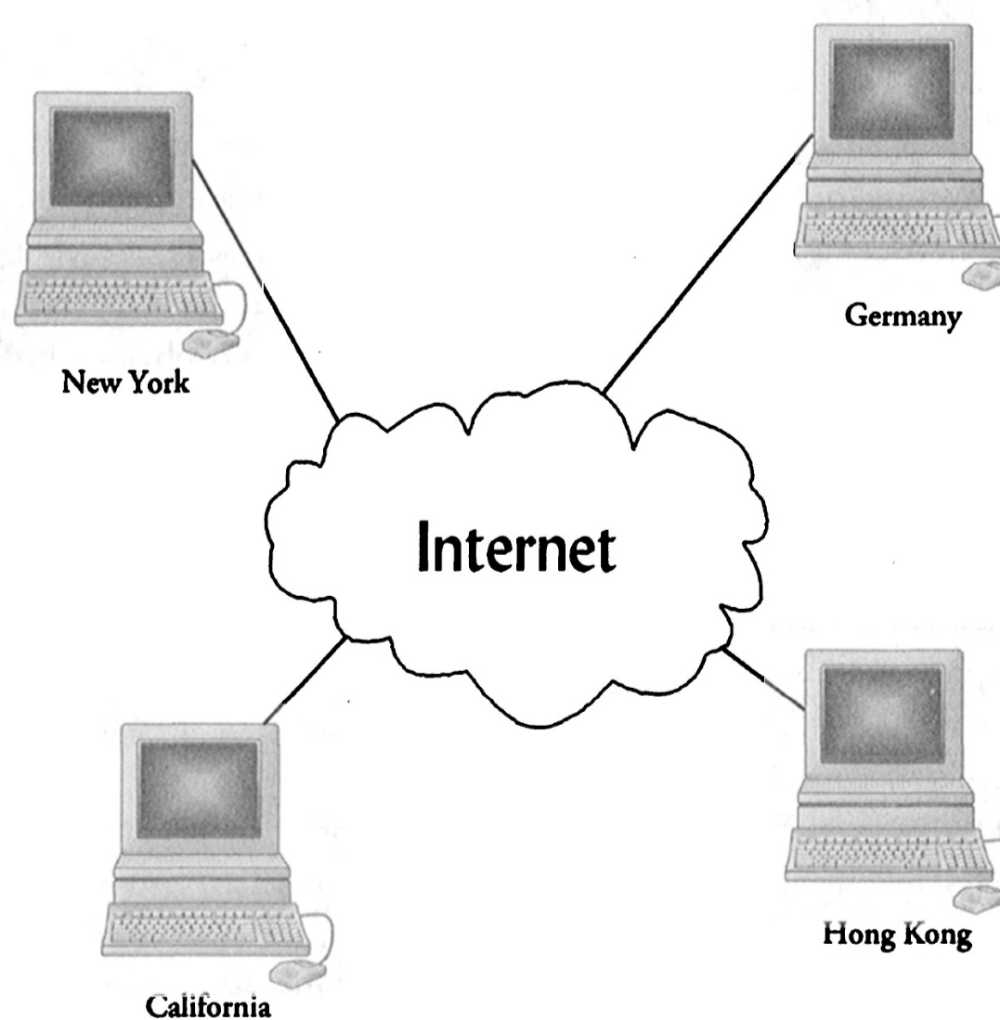
Also, the book contains this helpful diagram of the internet:
Context engineering = databases
Provenance = audit logs
Semantic caching = this is just caching???